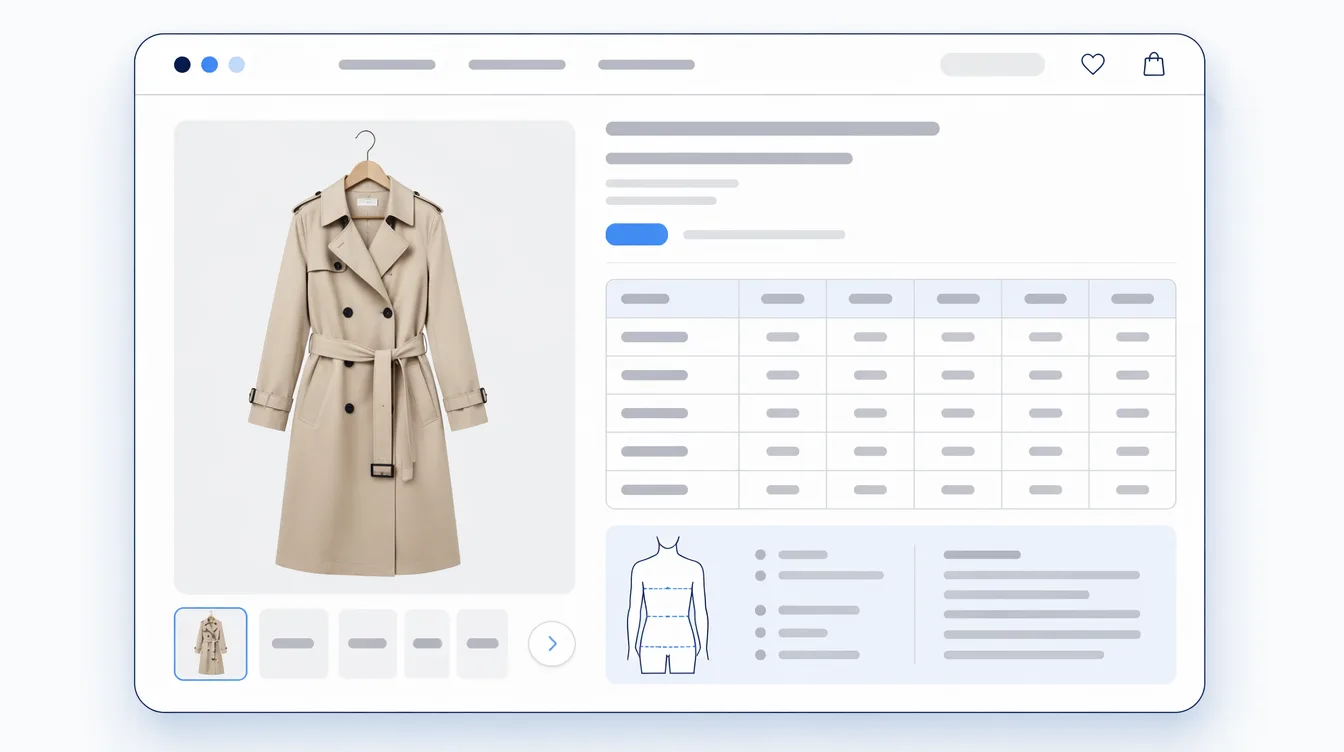

A shopper online cannot touch the fabric, feel its weight, or try the item on. They have to reconstruct all of that from the photos and words on your product page. When the page leaves gaps, shoppers fill them with assumptions — and wrong assumptions come back as returns.
Fit and sizing are the biggest single driver of apparel returns, but "not as described" is close behind: research summarised by Channelwill attributes roughly 22–31% of returns to items not matching what shoppers expected. The good news is that this is the category of return you can influence most directly, with words. Baymard-cited research finds 85% of shoppers say detailed product content is decisive in choosing which brand to buy from, and accurate descriptions can lift conversion meaningfully at the same time.
Shoppers Want More Than a Fabric Name
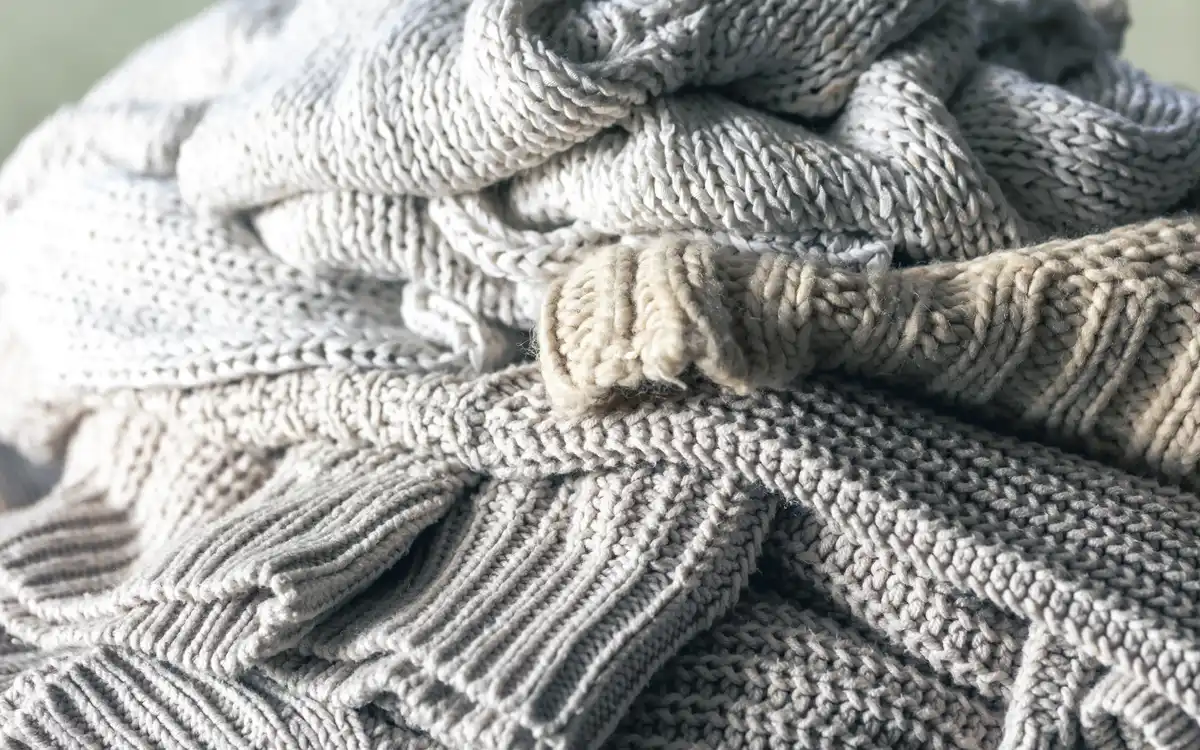
Product-page research shared by MobiLoud reports that 79% of online shoppers consider detailed product descriptions very important to their decision. Shoppers are not skimming past information — they are hunting for the clues a photo can't give them. The goal isn't a longer page; it's explaining what a shopper can't discover until the parcel arrives.
Describe How the Material Feels and Behaves
"Cotton blend" doesn't say whether a garment is light, structured, stretchy or soft. Combine a few concrete details:
- Fibre content: percentages, e.g. 55% cotton, 45% polyester
- Fabric weight: a number when you have it — 145 gsm jersey, 280 gsm fleece
- Stretch: which way it gives, or a note that it has very little
- Texture and finish: brushed interior, matte finish, soft wash, crisp hand, visible sheen
No technical figures? Plain language still helps. "Lightweight", "slightly sheer" and "structured with little drape" are far easier to picture than "premium material".
Share Care Instructions Before Checkout, Not Inside the Garment
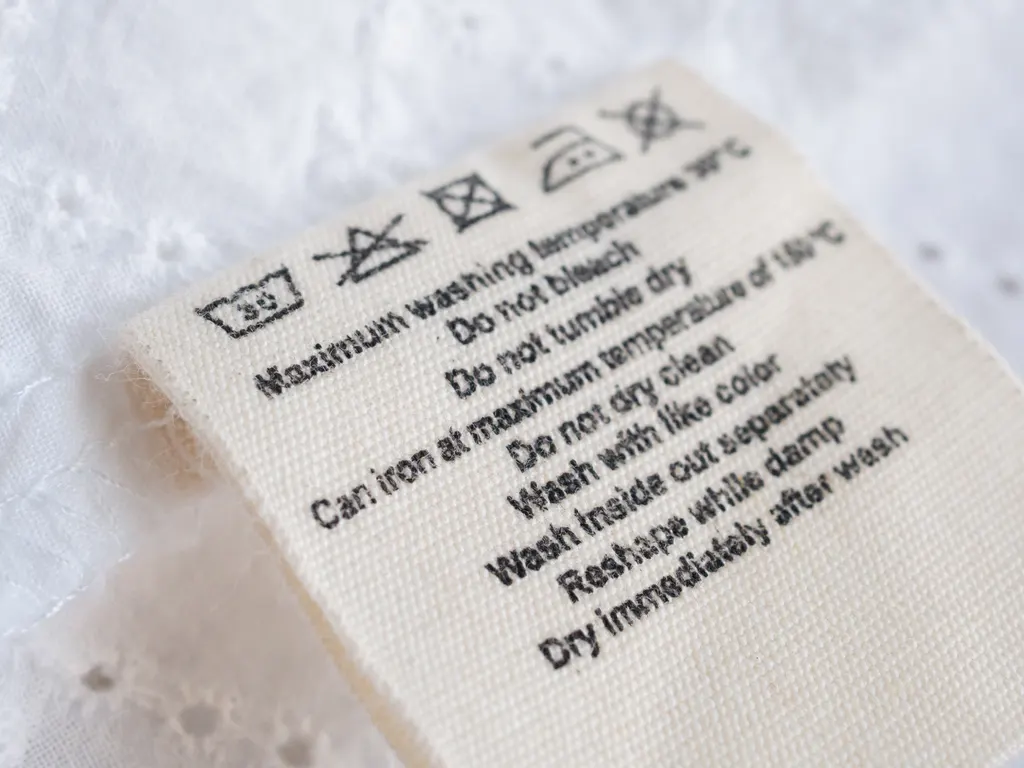
Care shouldn't be a surprise a shopper discovers on the sewn-in label after delivery. Someone expecting machine-washable may decide a dry-clean-only piece doesn't fit their routine — and it's better for everyone if they can make that call before ordering. Call out what affects the decision: hand wash, dry flat, possible shrinkage, colour that may transfer. Pair care symbols with one plain sentence so nobody has to decode every icon.
Go One Step Beyond "Regular Fit"
Slim, regular and relaxed are useful shorthand, but they mean different things across brands. Tell shoppers where the item sits close and where it has room:
- "Slim through the body with a little more room at the hip."
- "78 cm inseam, designed around a 175 cm frame."
- "Close through the shoulders. Consider sizing up if ease of movement matters."
One specific sentence answers the question "true to size" quietly leaves open.
Use Model Details as a Reference Point
A model photo becomes far more useful with height, key measurements and the size worn: "175 cm, 86 cm bust, wearing Small" gives shoppers something to measure their own proportions against. If you show the item on several body types, add the details for each — more shoppers then find a comparison that fits them.
Let Buyers Speak: Fit Feedback and Reviews
Your own copy is trusted more when other shoppers confirm it. Letting buyers rate an item as running small, true to size or large turns real purchases into guidance for the next shopper — and a distribution ("most say true to size") is easier to act on than scattered comments. It also feeds back to you: a steady lean toward "runs small" is a signal to revisit the size chart or fit note.
Start With the Products That Need Help Most
You don't have to fix the whole catalogue at once. Begin with the items that generate the most returns or questions. Add garment measurements, a clearer material description, care notes and model information, then watch how return reasons and enquiries shift. The Radial guide to fashion returns makes the same point: stronger content at the point of decision is where returns are won or lost. The next few weeks of feedback will tell you what to improve next.
Mitasu for Apparel helps you bring size charts, material and care details, model information and fit feedback together on Shopify product pages — without editing theme files.
Sources: Narvar — How to Reduce Apparel and Footwear Returns; Radial — Online Fashion Retailers' Guide to Reducing Returns; Channelwill — Ecommerce Return Rates 2025; MobiLoud — Ecommerce Product Detail Page Best Practices; Blym — Anatomy of a High-Converting Product Description; Baymard Institute — Product Page UX Research.